Almost 50 international and national sport federations and organisations have signed The Line We Don’t Cross Declaration, committing to zero tolerance for child trafficking in, through and around sport.
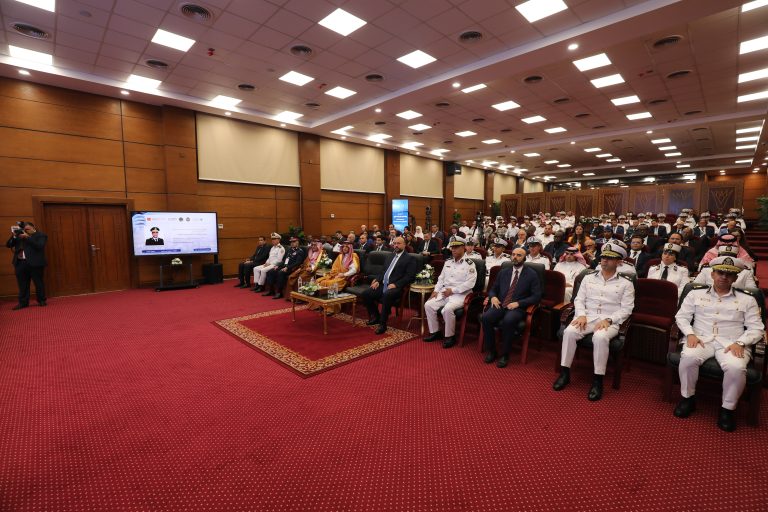
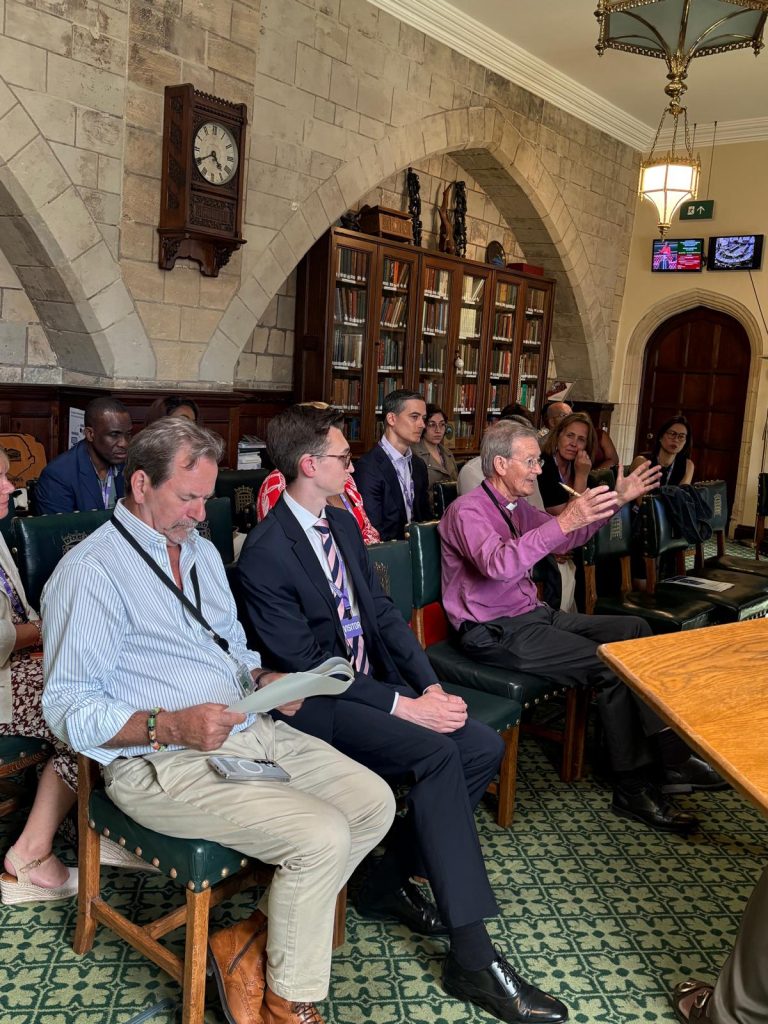
The signings took place on 4 and 5 October 2026 at the Maison du Sport International and the Royal Savoy Hotel in Lausanne, alongside the SportAccord Forum and the AIMS General Assembly.
The Lausanne signatories include organisations from across the global sporting movement, including World Boxing, World Squash, World Sport for All (FISpT), the World Minigolf Sport Federation, the International Dragon Boat Federation, the National Olympic Committees of Indonesia and Serbia, and the International Camel Racing Federation.
Among the senior figures to sign were Stephan Fox, President of AIMS, and Raffaele Chiulli, President of ARISF, alongside leaders from international and national sport organisations.
Marco Tomasini, CEO and General Secretary of World Sport for All (FISpT), signed the Declaration on behalf of the organisation.
The International Camel Racing Federation was represented by its President, His Highness Prince Fahad bin Jalawi bin Abdulaziz bin Musaed of Saudi Arabia, who also serves as Vice President of the Saudi Olympic and Paralympic Committee.
“In the cases we document, the pattern barely changes”, said Lerina Bright, Executive Director, Mission 89. A recruiter promises a trial abroad, the family borrows to pay his fee, and the child lands in a country where no club is expecting them. Federations sit at the one point in that chain where someone can ask for proof. We are asking every signatory to do three things: name a safeguarding lead, publish who is authorised to recruit minors in its name, and give familie a way to check an offer before they pay.”
Children make up 38 percent of detected trafficking victims globally, according to the United Nations Office on Drugs and Crime (UNODC). Data from the Counter Trafficking Data Collaborative show that 11 percent of child victims were trafficked through false promises. In sport, those promises can take the form of academy places, trials, scholarships and club contracts that do not exist.
According to Stephan Fox, President, AIMS, “Traffickers do not need to break into sport. They borrow its credibility: the tournament invitation, and the letter on federation letterhead that gets a teenager a visa. Federations issue those documents, so we control one of the easiest ways in. Therefore, we ask members that signed to review how they issue invitation letters and accreditations for minors, and we will put safeguarding on the agenda of our next General Assembly so members report back on what they have changed.”
By signing the Declaration, each organisation affirms zero tolerance for child trafficking through sport and commits to building anti-trafficking standards into its own governance and safeguarding systems. This includes strengthening the ethical recruitment of young athletes, reviewing the role of agents and intermediaries, and ensuring safeguarding measures extend across the networks through which young athletes are recruited and moved between clubs and countries.
“Most of the signatures have to come from national federations, clubs and agent associations. In the months ahead, United Through Sports will work through the Lausanne signatories to reach national members, pairing each federation that runs a working safeguarding system with one that is building its first”, said Julia Govinden, Chief Executive Officer, United Through Sports.
Support for Signatories
Mission 89 provides each signatory with dedicated resources developed specifically for The Line We Don’t Cross campaign. These include a safeguarding implementation guide to help organisations appoint a safeguarding lead and establish internal reporting procedures, a model ethical recruitment policy for young athletes, guidance on managing agents and intermediaries working with minors, and awareness materials for coaches, officials and youth development staff.
Signatories also become part of a growing community of sport organisations committed to raising child protection standards collectively, with the opportunity to share learning and good practice across the network.
From Lausanne to Implementation
The Lausanne signings mark the beginning of the next phase of The Line We Don’t Cross campaign. Having started with international federations and organisations, the campaign will now expand its engagement with national federations, professional clubs, agent associations, young athletes, governments, intergovernmental organisations and civil society groups.
Mission 89 and United Through Sports will work with signatories to translate the Declaration’s commitments into their own governance, safeguarding and recruitment practices. The objective is to move from signatures to action, and from international commitments to stronger protection for young athletes at every level of sport.
Sport federations and organisations wishing to sign The Line We Don’t Cross Declaration are invited to contact Mission 89 at media@mission89.org.